 8809 N Navarro St Ste.100 Victoria TX 77904

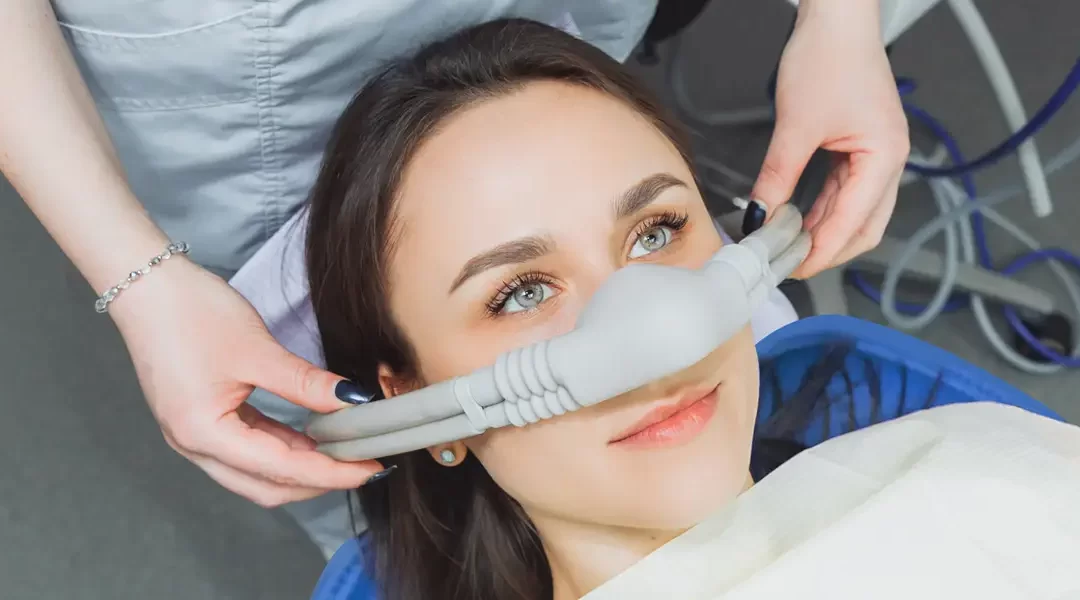
Feeling nervous about dental treatment is more common than many people realize. Some patients feel mild tension before an appointment. Others experience sweating, a racing heart, or difficulty sleeping the night before. In more severe cases, fear leads to postponing care for years.
When anxiety prevents timely treatment, early dental problems can progress, resulting in more extensive decay and worsening periodontal inflammation.
For patients whose anxiety interferes with treatment, controlled relaxation methods can make care possible in a medically supervised setting.
In practices providing Sedation dentistry in Victoria, this approach is used to help appropriate candidates complete necessary procedures safely.
At Victoria Dentistry, the use of sedative medication is based on documented need and safety assessment.
Why Dental Anxiety Feels So Overwhelming
Dental fear is not just emotional. It activates the body’s stress response. Adrenaline increases heart rate and muscle tension. Breathing becomes shallow. Even routine procedures may feel intense when the nervous system is overstimulated.
Patients with previous traumatic experiences, difficulty getting numb, or a strong gag reflex often report higher anxiety levels. In these situations, relaxation techniques alone may not be enough.
A dentist in Victoria will evaluate both oral health needs and anxiety severity before discussing sedation options.
What Sedation Actually Means
With Sedation dentistry, medication is used to ease nervousness and create a calmer experience during treatment. The goal is not to eliminate awareness but to reduce anxiety while maintaining responsiveness..
Patients sometimes use the term sleep dentistry Victoria, although most sedation methods used in dental offices do not cause full unconsciousness.
Common options include:
- Nitrous oxide inhalation
- Oral medication taken before the appointment
- Intravenous sedation was administered in the clinic
The most suitable option depends on treatment complexity and the patient’s level of anxiety.
How Sedation Affects the Body
These medications slow neural activity, helping patients remain calm throughout the procedure. As relaxation improves:
- Muscle tension decreases
- Breathing becomes steadier
- Heart rate stabilizes
- Gag reflex sensitivity often reduces
Many patients describe feeling calm and less focused on the procedure while still able to respond to instructions.
When reviewing Dental sedation options in Victoria, providers assess medications, allergies, and conditions such as sleep apnea or cardiovascular disease to determine suitability.
Is Sedation Safe for Everyone
The decision to use sedative medication is based on structured risk assessment and clinical evaluation.
Before proceeding, the provider evaluates:
- Medical history
- Current medications
- History of adverse reactions
- Airway considerations
- Cardiovascular stability
Vital signs are monitored when indicated. Oxygen levels and blood pressure are observed during deeper levels of sedation.
Will You Be Fully Asleep?
Patients typically stay responsive while experiencing deep relaxation. With nitrous oxide and oral medication, verbal instructions can still be followed.
IV sedation may result in limited memory of the procedure, yet protective reflexes are maintained. General anesthesia, which produces full unconsciousness, is rarely used in standard dental settings and requires specialized facilities.
Can You Drive After Sedation?
Whether a patient can drive afterward is determined by the sedation method administered.
Nitrous oxide wears off quickly, and many patients resume normal activities shortly after the appointment.
Oral and IV sedation impair coordination and judgment for several hours. A responsible adult must provide transportation and remain available afterward.
When Sedation May Be Helpful
Sedation can benefit patients who:
- Have severe dental anxiety
- Need lengthy or complex procedures
- Experience difficulty tolerating treatment due to the gag reflex
- Struggle to remain still for extended periods
It may allow multiple procedures to be completed in fewer visits when clinically appropriate.
Patients with anxiety should choose a provider who carefully evaluates sedation candidacy rather than offering it routinely.
Choosing the Right Approach
There is no single best option for every patient. Mild anxiety may respond well to nitrous oxide. Moderate anxiety may benefit from oral medication. More significant fear or complex treatment may require IV sedation.
A comprehensive consultation confirms that the selected method aligns with patient safety and treatment goals before proceeding with Sedation dentistry in Victoria.
Many people begin by searching for a dentist near me, but the more important factor is whether the provider conducts a thorough sedation assessment.
Recent Comments