 8809 N Navarro St Ste.100 Victoria TX 77904

A tiny crack. A sharp twinge while chewing. A filling that has been there for years. None of these may seem urgent at first. Then one day, a bite into something soft is enough to split a tooth. What looked like a minor issue suddenly becomes a dental emergency.
Many people who eventually need a dental crown in Victoria, TX, first notice subtle changes that are easy to dismiss. Recognizing these early warning signs allows your dentist to protect the tooth before it fractures, preserving more of your natural tooth and often avoiding the need for more extensive treatment.
Why Early Treatment Matters
Teeth do not always fail without warning. As enamel weakens and the inner structure loses support, small problems often appear long before a tooth breaks.
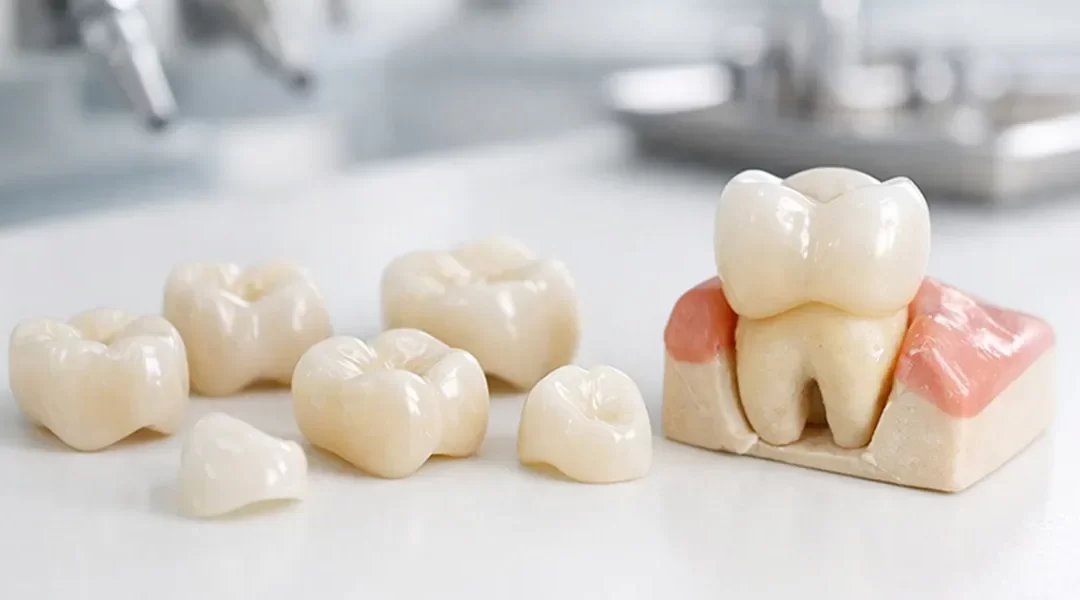
When a tooth becomes weakened, a custom-made dental crown is placed over the portion above the gumline to reinforce and protect it. It strengthens the tooth, shields the remaining healthy structure, and restores comfortable biting and chewing.
Seeking care early may help:
- Protect weakened tooth structure
- Reduce the chance of a complete fracture
- Restore comfortable chewing
- Improve long-term function
- Preserve natural teeth whenever possible
According to the American Dental Association (ADA), preserving natural tooth structure whenever feasible is an important goal of restorative care.
1. A Crack That Keeps Getting Worse
Not every cracked tooth causes immediate pain. Some develop tiny hairline fractures that only become noticeable when biting down or releasing pressure.
A crack allows chewing forces to spread unevenly across the tooth. Without protection, everyday use can cause the fracture to deepen.
Warning signs include:
- Sharp pain while chewing
- Discomfort when releasing your bite
- Sensitivity to hot or cold foods
- A visible line on the tooth surface
- Pain that comes and goes
When the inner tooth remains healthy, promptly covering it with an appropriate restoration may prevent further damage.
2. A Large Filling Is Weakening the Tooth
A filling repairs decay, but every replacement filling removes a little more natural structure.
Over time, a large filling may leave only thin walls of healthy enamel surrounding the restoration. Those walls become more likely to crack under normal chewing pressure.
Your dentist may recommend a crown instead of another filling when:
- Most of the chewing surface has already been restored
- The filling repeatedly breaks
- Small cracks develop around the restoration
- The remaining tooth structure no longer provides adequate support
This type of tooth restoration strengthens the remaining natural tooth rather than simply replacing lost filling material.
3. Your Tooth Is Becoming More Sensitive
Occasional sensitivity is common, but persistent discomfort deserves evaluation.
If hot or cold foods, drinks, or chewing leaves you with lingering discomfort, the tooth may have hidden structural damage rather than simple enamel wear.
Sensitivity can result from:
- Small fractures
- Worn enamel
- Deep decay
- Older restorations
- Bite-related stress
Although sensitivity does not always mean you need a crown, it can be one of the earliest signs that you need a dental crown, especially when combined with visible wear or existing restorations.
4. Part of the Tooth Has Already Broken
A chipped corner may seem like only a cosmetic concern. However, even a small tooth fracture changes how biting forces travel through the remaining tooth.
The larger the missing section becomes, the more vulnerable the tooth is to further damage.
Your dentist will evaluate:
- How much healthy structure remains
- Whether the nerve has been affected
- The location of the break
- Your bite pattern
- Future fracture risk
When enough healthy tooth remains, dental crown treatment can reinforce the tooth and restore normal function.
5. You Have Pain When Chewing
Pain during chewing often signals that a tooth is flexing under pressure.
This may happen because of:
- Hidden cracks
- A weakened cusp
- Deep decay
- Previous restorative work
- Excessive bite forces
Ignoring chewing discomfort allows damage to progress. Early diagnosis often provides more conservative treatment options through modern restorative dentistry.
Modern Technology Makes Treatment More Convenient
Advances in digital dentistry have made many restorative procedures faster and more convenient.
Many practices now offer same-day crowns using state-of-the-art CEREC dental technology, allowing dentists to design, create, and place a custom ceramic crown during a single appointment for appropriate cases.
Potential benefits include:
- Fewer office visits
- Digital impressions instead of traditional molds in many cases
- High-quality ceramic materials
- Faster restoration of normal function
- Precise digital design for an accurate fit
Whether you qualify for a same-day crown depends on the condition of your tooth and your dentist’s clinical evaluation.
Expert Insight
Whenever possible, dentists aim to preserve natural teeth because they typically function better than artificial replacements.
A crown is not recommended simply because a tooth has been treated before. Instead, it is considered when the remaining structure cannot safely withstand normal chewing forces. Addressing problems before complete failure often results in simpler treatment and better long-term outcomes.
What You Can Do Today
If something about one of your teeth doesn’t feel quite right, it’s worth having it checked before the problem worsens.
Consider scheduling an evaluation if you notice:
- Pain while chewing
- Increasing sensitivity
- A visible crack
- A loose or aging filling
- A chipped or damaged tooth
An examination, digital X-rays when indicated, and a bite assessment can help identify concerns before they become emergencies.
Protect Your Smile Before Small Problems Become Bigger Ones
A weakened tooth rarely becomes stronger without treatment. Recognizing changes early gives your dentist more treatment options before the tooth suffers a serious fracture. If you’re considering a dental crown in Victoria, TX, a timely evaluation can help determine whether your tooth can be protected with conservative treatment. The experienced team at Victoria Dentistry can evaluate the condition of your tooth, discuss the available treatment options, and help you choose the approach that best protects your smile.
Frequently Asked Questions
Common signs include persistent chewing pain, a cracked tooth, a large filling that weakens the tooth, recurring sensitivity, or visible damage. Your dentist can determine whether a crown is the best option after examining the tooth.
Yes. When recommended, a crown covers and reinforces a weakened tooth, reducing the risk of further fracture during everyday use.
No. Small surface craze lines may not require treatment. Deeper cracks that affect the tooth’s structure often require protection, while severe fractures may require different care depending on the extent of damage.
If a filling covers most of the chewing surface or repeatedly breaks, your dentist may recommend replacing it with a crown to better support the remaining tooth.
Sensitivity alone does not always indicate a crown is necessary. However, when combined with structural damage, worn enamel, or fractures, it may suggest the tooth needs additional protection.
Waiting can allow cracks to spread, fillings to fail, or weakened teeth to fracture further. Treating the tooth before the damage worsens may protect more of its natural structure and lessen the chance of requiring more involved dental procedures.
Recent Comments