 8809 N Navarro St Ste.100 Victoria TX 77904

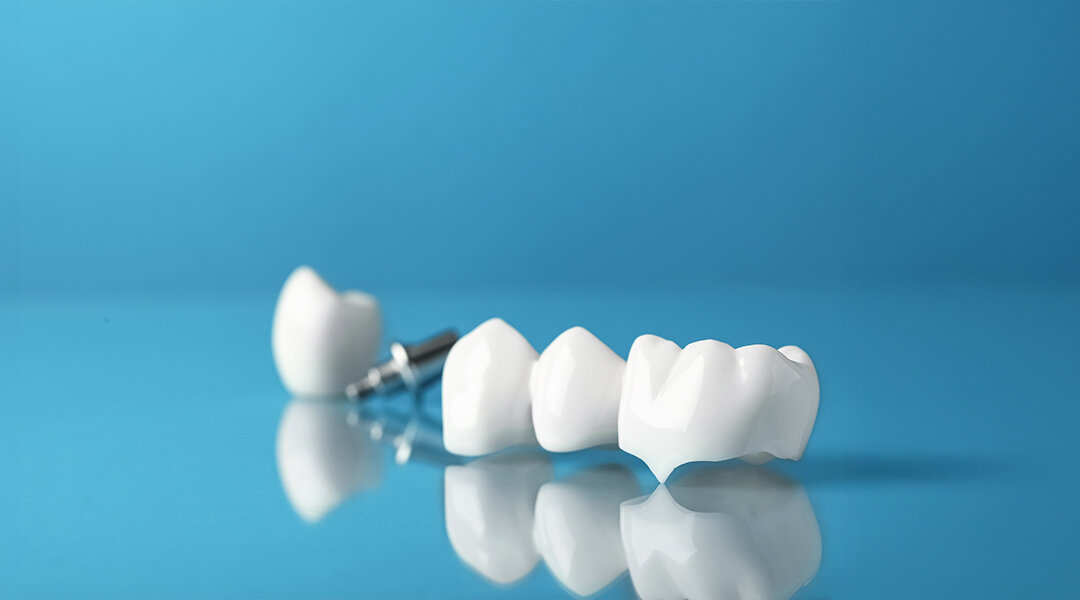
Not every damaged tooth needs to be removed. In many cases, a dental crown can strengthen a weakened tooth, improve its appearance, and reduce the risk of additional problems.
When a tooth has substantial decay, an oversized filling, considerable wear, or structural fractures, a crown is often the preferred treatment. A dental crown is often recommended when decay, fractures, large fillings, or root canal treatment weaken a tooth. The crown covers and reinforces the tooth to improve strength, function, and long-term durability.
Many patients are unsure whether their symptoms are serious enough to require a crown. Recognizing the warning signs early can make it easier to address concerns before they become more complex.
What Is a Dental Crown?
A crown is a customized dental restoration that completely covers the part of the tooth visible above the gumline. It is designed to reinforce weakened areas while restoring the tooth’s shape, appearance, and everyday usability.
A crown may be recommended when a tooth:
- Has extensive decay
- Has a crack or fracture
- Has undergone root canal therapy
- Contains a large existing filling
- Shows significant wear
- Requires cosmetic improvement
Signs You May Need a Dental Crown
Persistent Tooth Pain or Sensitivity
Sensitivity to hot or cold temperatures does not always mean a crown is needed, but ongoing discomfort can indicate that a tooth has become weakened.
Pain when chewing or biting may suggest that the tooth can no longer withstand normal daily pressure. A dental examination can help identify the source of the problem and clarify whether a crown may be beneficial.
A Cracked or Broken Tooth
A broken tooth is one of the most common reasons a crown is recommended.
Even a small crack can compromise a tooth’s integrity and increase the likelihood of further fracture. Depending on the extent of the damage, a crown may reinforce the remaining tooth and help restore normal use.
A Large Existing Filling
Large fillings can leave less healthy tooth structure available to support normal chewing forces.
As fillings age, the surrounding tooth may become more vulnerable to cracking or wear. A crown can provide additional coverage when the remaining tooth requires greater support.
In some situations, a filling alone may not provide enough reinforcement for the remaining tooth. Covering the tooth with a crown can help distribute biting forces more evenly and reduce stress on weakened areas.
Significant Tooth Wear
Years of grinding, clenching, or everyday use can gradually wear down teeth.
As tooth surfaces become thinner, sensitivity, bite concerns, and fractures may become more likely. Evaluation at the first sign of worsening wear can help identify suitable treatment options.
Following Root Canal Therapy
The removal of internal tissue during root canal treatment can weaken a tooth, necessitating additional restorative support.
Crowns are commonly recommended after treatment because they can help strengthen the remaining tooth and improve long-term function.
How a Dental Crown Helps Preserve a Tooth
A dental crown provides more than cosmetic improvement. It can also reduce stress on weakened areas and support long-term tooth preservation.
Common advantages include:
- Improved chewing ability
- Additional strength for weakened teeth
- Coverage for fractured areas
- Enhanced appearance
- Reduced risk of further breakdown
- Long-term durability
By covering compromised areas, a crown helps distribute biting pressure more evenly and reduces strain on vulnerable portions of the tooth.
Modern Crown Technology and Same-Day Treatment
Advances in dental technology have made the crown process more efficient and convenient for many patients.
Some practices in Victoria, TX, offer Same-Day Crowns using state-of-the-art CEREC dental technology. This system uses digital imaging and computer-guided design to create custom restorations during a single appointment when clinically appropriate.
The use of digital scanners enhances the accuracy of crown design while minimizing or avoiding the need for traditional impression materials. The process combines digital imaging and computer-guided design to streamline crown fabrication and improve patient convenience.
Victoria Dentistry incorporates advanced technology to support efficient restorative care and treatment planning.
What Materials Are Used for Dental Crowns?
Several materials may be used depending on the tooth’s location, appearance goals, and functional requirements.
Common options include:
- Ceramic crowns
- Porcelain crowns
- Zirconia crowns
- Gold crowns
- Porcelain fused to metal crown restorations
Each material offers unique advantages related to strength, durability, and aesthetics. Material selection depends on factors such as bite forces, cosmetic goals, and the location of the tooth.
When Should You Schedule an Evaluation?
Waiting too long to address a weakened tooth can increase the likelihood of additional complications.
Persistent sensitivity, visible fractures, discomfort while chewing, or concerns about an older restoration are all reasons to seek professional guidance.
Early assessment often provides more options for preserving the tooth and avoiding more extensive treatment.
Patients exploring dental Solutions in Victoria, TX, often benefit from a timely evaluation, as smaller concerns can sometimes be addressed before more complex treatment becomes necessary.
Patients looking for a dental crown dentist in Victoria residents trust often seek care when sensitivity, fractures, or large fillings begin affecting daily comfort.
Individuals in Nursery, Wood Hi, and Quail Creek who are experiencing symptoms should consider scheduling a professional examination.
A comprehensive examination helps identify the condition of the tooth and whether crown treatment is the most suitable way to maintain long-term oral health and function.
FAQs
A crown may be recommended when a tooth has been weakened by decay, fracture, extensive wear, a large filling, or root canal treatment.
Common signs include persistent sensitivity, visible cracks, a broken tooth, discomfort while chewing, significant wear, or large existing restorations that no longer provide adequate support.
State-of-the-art CEREC dental technology uses digital scanning and computer-aided design to create custom crowns in a single visit when appropriate, reducing the need for temporary restorations.
Most crown preparation procedures are performed with local anesthesia to help keep patients comfortable throughout the procedure.
The ideal material depends on factors such as tooth location, appearance goals, bite forces, and long-term durability requirements.
Recent Comments