 8809 N Navarro St Ste.100 Victoria TX 77904

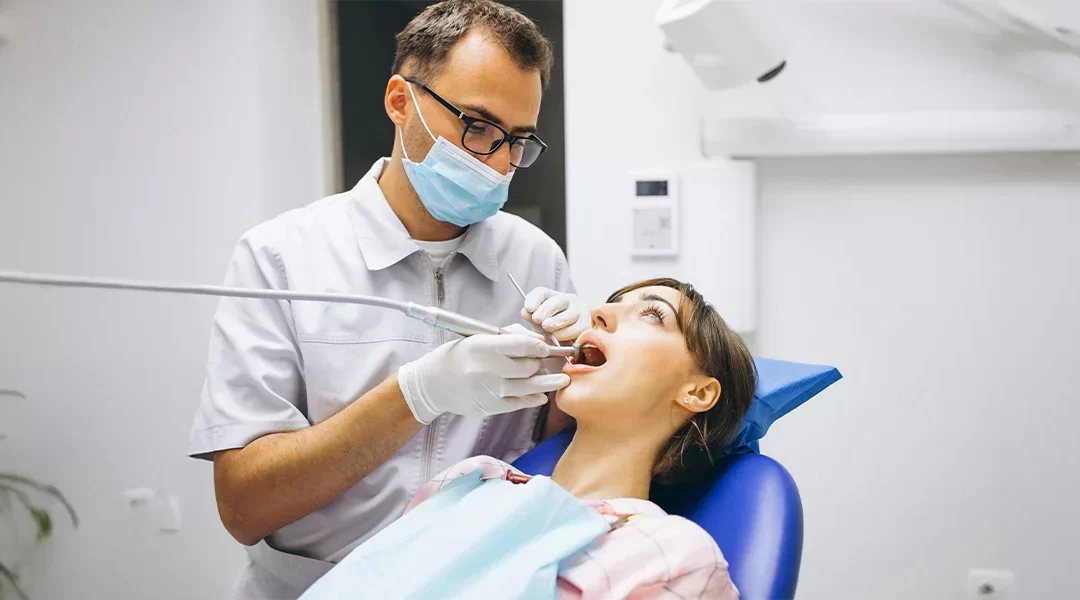
Life gets busy. Work, family, and other priorities start to crowd the calendar, and that six-month visit to the dentist slips by. Then one missed appointment turns into a year without a visit. It may not hurt yet, so it feels harmless.
Inside your mouth, though, a quiet process has started. Plaque that once brushed away with ease has hardened into tartar. Gums respond with irritation. Small problems that a normal oral health check-up would catch early begin to grow in silence.
Understanding what happens during that year gap can help you protect your smile and lower your risk for bigger treatment needs later on.
What Happens Inside Your Mouth After 12 Months Without a Cleaning
Even with good brushing and flossing, some areas stay hard to reach. Behind back teeth, along the gumline, and between crowded teeth, plaque sticks and hardens. After about 24–72 hours, that soft film starts to turn into calculus (tartar). Once it does, your toothbrush cannot remove it.
Over 12 months, this hardened buildup tends to:
- Creep under the edges of the gums
- Trap bacteria against the tooth roots
- Roughen the surface of the teeth so new plaque sticks faster
You may not see all of this in the mirror. You might notice only a little stain or roughness. Under the gums, however, bacteria fuel inflammation that can lead to gum disease if nothing interrupts the process.
Why Missing a Check-Up Increases Your Risk for Gum Disease
Gums stay healthy when plaque and tartar are removed on a set schedule. When months pass without a visit, the balance shifts in favor of bacteria. The body responds with redness, swelling, and bleeding during brushing or flossing.
In the early stages, this is gingivitis. At this point, the bone still holds each tooth firmly. With time and ongoing irritation, the attachment between tooth and gum starts to break down. The space between the tooth and gum deepens into a pocket.
Without a routine exam, those pockets can:
- Collect more bacteria and food debris
- It becomes harder to clean at home
- Lead can lead to slow bone loss around the teeth
This change rarely happens overnight. It happens step by step over months and years when cleanings and exams are skipped. That is why the consequences of skipping dental visits may show up later, even if your teeth feel fine at first.
The Unexpected Problems Patients Notice After a Long Gap
Many patients return after a year or more and say, “I thought everything was fine until a few weeks ago.” Often, they report changes that have built up over time:
- Bad breath that does not improve with mouthwash
- Gums that bleed when brushing or flossing
- A dull ache around certain teeth
- Sensitivity to cold drinks or sweet foods
- Rough edges they feel with the tongue
These signs can point to cavities, gum inflammation, or cracks in old fillings. In some cases, bacteria from deep pockets can raise oral infection risk, which might show as swelling, a pimple on the gums, or pain when chewing.
The earlier a dentist sees these signs, the more likely a simple treatment will solve the problem.
How Skipping Cleanings Affects Your Whole-Body Health
The mouth connects with the rest of the body through the bloodstream and airway. Long-term inflammation in the gums can strain your immune system and has been linked with several health concerns.
Research has found associations between untreated periodontal disease and:
- Heart disease and stroke
- Less stable blood sugar levels for those living with diabetes
- Pregnancy-related issues, such as a greater risk of low birth weight
- Higher levels of inflammation markers in the body
While a cleaning alone cannot treat these conditions, regular care reduces the bacterial load and inflammation in your mouth. This supports better overall health and lowers the burden your body faces from chronic oral infection.
What to Expect When You Return After a Year or More
Many patients feel nervous before a “catch-up” visit. They worry about judgment or pain. Dental teams understand that life happens and that gaps in care are common. The goal is to help you move forward, not dwell on the past.
At a return visit after a year or more, you can expect:
- Conversation and history
The team will ask about your health, medications, and any changes since your last visit. This guides safe care and helps identify risk factors. - Thorough exam
A dentist in Victoria will check your teeth, gums, bite, and existing dental work. X-rays may be recommended to look for hidden problems between teeth or under fillings. - Periodontal charting
The hygienist may measure the depth of the spaces around your teeth. This shows how healthy or inflamed the gums are and whether any bone loss has started. - Personalized cleaning plan
If the buildup is mild, a standard cleaning may be enough. If pockets are deeper or tartar sits below the gumline, more than one visit or a deeper cleaning may be advised. - Home care guidance
You will receive clear tips for brushing, flossing, and other tools suited to your mouth. Small changes at home make a big difference between visits.
The aim is a fresh start, a clear plan, and a mouth that feels cleaner and more comfortable when you leave.
Ready to Catch Up on Your Oral Health? Your Next Step Is Simple
If it has been 12 months or longer, the best step is to schedule an exam and cleaning, then place future visits on your calendar at the recommended interval. For most adults, this means twice each year, though some people with higher risk need visits more often.
When you call Victoria Dentistry, let the team know how long it has been and if you have any concerns, such as bleeding gums, sensitivity, or a broken filling. They can guide you on the right type of appointment and help you feel at ease from the first phone call.
Recent Comments